
My goal with this project was to design and create a well scoped project for the 1 week timeframe we were given. This project was a great opportunity to learn new skills and team up with an artist to bring a small idea to life. The main design goal was to create something that forces the player to think outside of the box and test their cognitive skills, whilst learning something interesting about humans in space. My main responsibilities for this project were level and puzzle design, gameplay programming using blueprints, and
audio design.
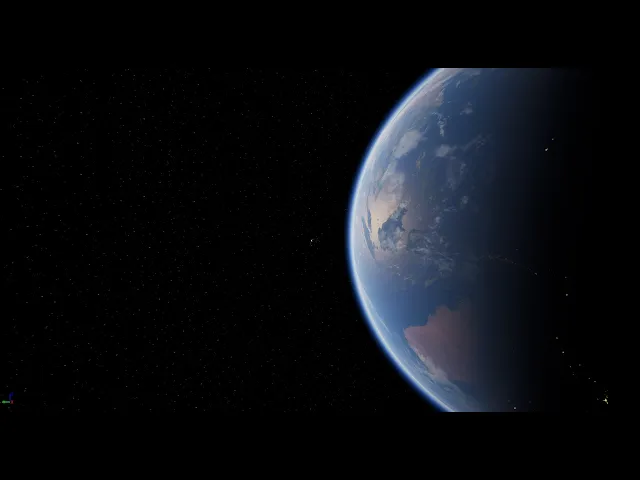
Oxygen Protocol is a puzzle game set onboard a space station. You race against the clock to restore the oxygen supply to your station after a power failure. You must complete a series of puzzles that relate to the steps taken to produce oxygen in space in order to survive.
Game Jam Prompt: Learn
The theme for the game jam was 'learn'. I decided to pick a topic that I found interesting and turn it into a short game. I designed the game to incorporate 2 methods of learning. Method 1 was passive learning through audio events throughout the space station, which explain the process of electrolysis in space. Method 2 was a different kind of learning. I wanted to teach and test the player on critical and logical thinking skills by creating engaging puzzles.
Oxygen Protocol
Game Dev Group Game Jam 3.0
Level & Puzzle Pre-Production Planning
Team Size - 3
Made In Unreal Engine 5
Developed in 1 Week
Level Design
Programming (Blueprints)
Lighting
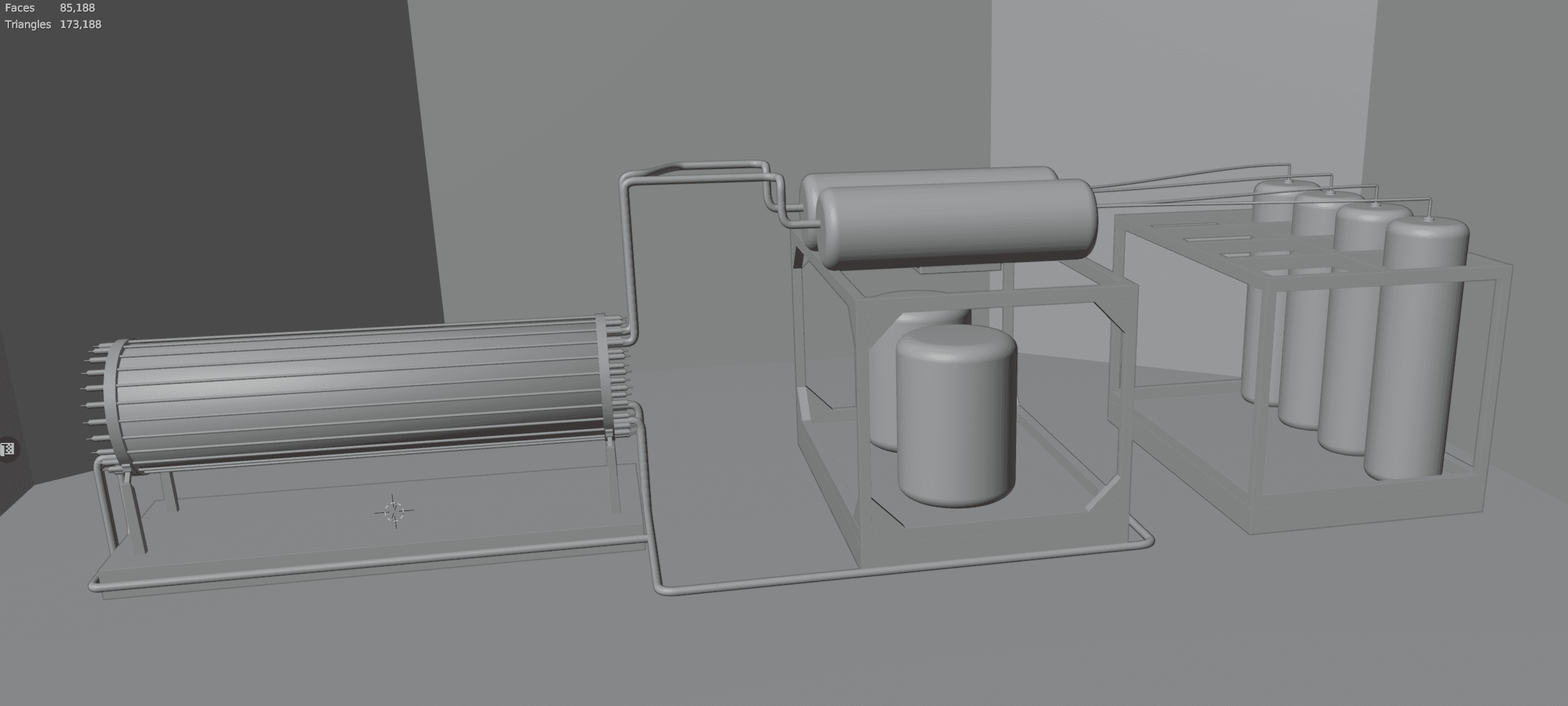
The level design process for this small game was fairly simple. We decided to have 3 puzzles in the game, which each need a room that represented a step of getting the oxygen up and running again. I blocked out the full level and worked on the puzzles whilst the 3D artist created the models. The puzzle design was based around the theme of creating oxygen in space. I did some research into how this is done. I found that they use a process called electrolysis to separate water into hydrogen and oxygen through an electrical current. From this research I devised 3 puzzles to be done in order to replicate the process of restoring oxygen after a power outage onboard. I wanted the puzzles to test the memory and critical thinking skills of the player when under pressure. I wanted 1 puzzle to be memory based, 1 to be logical and the last to be a critical thinking puzzle. I had to keep in mind that I only had 1 week to implement these puzzles along with everything else in the game so I needed to keep them fairly simple as I already knew that this would put my blueprint skills to the test. The mechanics of the three puzzles are explained in the level layout image above.
Video Timestamps: Puzzle 1 0:58 Puzzle 2 2:03 Puzzle 3 3:13




The lighting design is what really brought this level to life. I decided to use red lighting across the level for the start of the game to create a sense of urgency. This paired with the alarms going off sets the tone for the game. The first puzzle is to turn the power on, competing this will change the levels lighting to a more neutral blue colour, indicating they they have completed the first step. I also used lighting throughout the level to guide the player towards the puzzles as I didn't want finding the puzzles to be a puzzle in its self. Although the lighting looks nice, testing towards the end of the game jam showed performance issues for lower end pc's. This was due to the amount of dynamic lights that were used in the level. One culprit of this was the red alarm lights that are constantly moving around. If I were to do this again, I would use a cone static mesh with a translucent material applied to it to provide the same effect, similar to how lighting artist would make street lights look volumetric.
In reflection, this game was well received by others because of its creative take on the theme of learning. Some found the second and third puzzle to be too challenging which I can understand. The performance issues are the main point that others left in their review of the game. In future levels and projects, performance is something I need to keep an eye on when it comes to lighting. The 1 week time limit pushed me to improve my blueprint abilities by creating and debugging the puzzles before the week was over.
After further reflection on the game. And through improving my skills inside UE5, I now understand that the way I programmed the puzzles did not use best practices, for example, in the Simon says puzzle I used long strings of Booleans and set material nodes, which was messy and hard to read/debug. If I were to do it again, I’d probably use an array for all the buttons, then store random button indexes for the pattern. That way I could loop through them to flash the sequence, check the player input easier, and reset the game if they press the wrong button.
I also found that the puzzles were just very generic and overall quite boring. One reason for this was prioritising a finished game over more interesting puzzles. In reflection our priorities should have been the other way round. I believe that more unique and polished puzzles could have made for a a more enjoyable experience, even if the game wasn't fully finished. Overall I was happy with what we made and especially the skills I learned from not doing things properly, which I have taken into my most recent project.
Level Modelling/Lighting
Prototype
Prototype
Final Result
Final Result
Reflections & Feedback
My goal with this project was to design and create a well scoped project for the 1 week timeframe we were given. This project was a great opportunity to learn new skills and team up with an artist to bring a small idea to life. The main design goal was to create something that forces the player to think outside of the box and test their cognitive skills, whilst learning something interesting about humans in space. My main responsibilities for this project were level and puzzle design, gameplay programming using blueprints, and
audio design.
Oxygen Protocol is a puzzle game set onboard a space station. You race against the clock to restore the oxygen supply to your station after a power failure. You must complete a series of puzzles that relate to the steps taken to produce oxygen in space in order to survive.
Game Jam Prompt: Learn
The theme for the game jam was 'learn'. I decided to pick a topic that I found interesting and turn it into a short game. I designed the game to incorporate 2 methods of learning. Method 1 was passive learning through audio events throughout the space station, which explain the process of electrolysis in space. Method 2 was a different kind of learning. I wanted to teach and test the player on critical and logical thinking skills by creating engaging puzzles.
Oxygen Protocol
Game Dev Group Game Jam 3.0
Level & Puzzle Pre-Production Planning
Team Size - 3
Made In Unreal Engine 5
Developed in 1 Week
Level Design
Programming (Blueprints)
Lighting
The level design process for this small game was fairly simple. We decided to have 3 puzzles in the game, which each need a room that represented a step of getting the oxygen up and running again. I blocked out the full level and worked on the puzzles whilst the 3D artist created the models. The puzzle design was based around the theme of creating oxygen in space. I did some research into how this is done. I found that they use a process called electrolysis to separate water into hydrogen and oxygen through an electrical current. From this research I devised 3 puzzles to be done in order to replicate the process of restoring oxygen after a power outage onboard. I wanted the puzzles to test the memory and critical thinking skills of the player when under pressure. I wanted 1 puzzle to be memory based, 1 to be logical and the last to be a critical thinking puzzle. I had to keep in mind that I only had 1 week to implement these puzzles along with everything else in the game so I needed to keep them fairly simple as I already knew that this would put my blueprint skills to the test. The mechanics of the three puzzles are explained in the level layout image above.
Video Timestamps: Puzzle 1 0:58 Puzzle 2 2:03 Puzzle 3 3:13
The lighting design is what really brought this level to life. I decided to use red lighting across the level for the start of the game to create a sense of urgency. This paired with the alarms going off sets the tone for the game. The first puzzle is to turn the power on, competing this will change the levels lighting to a more neutral blue colour, indicating they they have completed the first step. I also used lighting throughout the level to guide the player towards the puzzles as I didn't want finding the puzzles to be a puzzle in its self. Although the lighting looks nice, testing towards the end of the game jam showed performance issues for lower end pc's. This was due to the amount of dynamic lights that were used in the level. One culprit of this was the red alarm lights that are constantly moving around. If I were to do this again, I would use a cone static mesh with a translucent material applied to it to provide the same effect, similar to how lighting artist would make street lights look volumetric.
In reflection, this game was well received by others because of its creative take on the theme of learning. Some found the second and third puzzle to be too challenging which I can understand. The performance issues are the main point that others left in their review of the game. In future levels and projects, performance is something I need to keep an eye on when it comes to lighting. The 1 week time limit pushed me to improve my blueprint abilities by creating and debugging the puzzles before the week was over.
After further reflection on the game. And through improving my skills inside UE5, I now understand that the way I programmed the puzzles did not use best practices, for example, in the Simon says puzzle I used long strings of Booleans and set material nodes, which was messy and hard to read/debug. If I were to do it again, I’d probably use an array for all the buttons, then store random button indexes for the pattern. That way I could loop through them to flash the sequence, check the player input easier, and reset the game if they press the wrong button.
I also found that the puzzles were just very generic and overall quite boring. One reason for this was prioritising a finished game over more interesting puzzles. In reflection our priorities should have been the other way round. I believe that more unique and polished puzzles could have made for a a more enjoyable experience, even if the game wasn't fully finished. Overall I was happy with what we made and especially the skills I learned from not doing things properly, which I have taken into my most recent project.
Level Modelling/Lighting
Prototype
Prototype
Final Result
Final Result
Reflections & Feedback